Industrial PPE selection should start with the job, not the product list. If the hazard is not clear, the gear choice usually becomes too broad. That leads to gloves that wear out too fast, eye protection that does not suit the task, or respirators that are not matched to the actual exposure. On Tooltech, the PPE range covers items such as hand protection, safety glasses, hearing protection, respirators, footwear, fire resistant clothing, and welding gear, which makes a hazard-based checklist more useful than a generic buying list.
This matters because site risks do not all work the same way. Cut and abrasion hazards place different demands on gloves than sparks or heat. Dust and fumes need a different decision path from noise or impact. Task length matters too. Gear that works for a short task may not be the right fit for a full shift. A better PPE decision comes from matching the item to the work, the environment, and the time spent in that exposure.
The first step is to define the hazard properly. If the job involves sharp edges, rough materials, or repetitive handling, hand protection becomes a priority. If the work includes grinding, drilling, or flying particles, eye protection moves higher on the list. If dust, fumes, or airborne material are part of the task, respirators need attention. If the work area is loud for long periods, hearing protection matters more. If the task involves sparks or heat, welding gear and related protective clothing need to be considered together.
This first step is where many buying mistakes begin. If the order only says gloves or safety glasses, the team still has to guess what the item is meant to handle. That can lead to overbuying, underbuying, or buying something that is only partly right.

Once the hazard is clear, the next step is to choose the right PPE category. Tooltech’s range makes this easier because PPE is grouped into practical categories such as hand protection, hearing protection, respirators, safety glasses, footwear, and welding gear. That structure supports a more direct buying process.
Gloves should be chosen around the handling risk. Eye protection should match the type of impact or debris involved. Hearing protection should reflect both noise level and exposure time. Respirators should be chosen for the actual airborne risk, not just because dust is mentioned once in the task description. Safety boots should match the site conditions and how much time the worker will spend on foot.
A PPE compliance checklist should therefore ask a simple question at this stage: does the chosen category actually match the task hazard, or is it just the nearest product family?
Fit matters more than many teams expect. Gloves that are too loose can reduce control. Safety boots that fit poorly can add strain across a full shift. Eye protection that sits badly may be removed too often. Respirators that do not fit properly are harder to rely on in real conditions.
This is why sizing should be built into the buying process. A mixed crew needs the right size spread, not one standard size with the hope that it will work well enough. A good PPE checklist should include size range, expected wear time, and whether the user needs to move between different task types during the day.
Fit also affects compliance. If the gear is uncomfortable, workers are less likely to keep it on properly. That turns a technically correct order into a weak practical result on site.
Maintenance teams usually move between several tasks in one shift. That often means gloves, eye protection, hearing protection, and safety boots form the base kit, with respirators added when dust or airborne material becomes part of the job. A maintenance role rarely fits one narrow hazard profile, so flexibility matters.
Welding roles need a more focused kit. Welding gear, suitable gloves, eye and face protection, protective clothing, and safety boots should be treated as one set rather than separate buys. Tooltech’s welding-related categories support this because the risk is not only sparks. It is also heat, light exposure, and surrounding workshop conditions.
Electrical roles need careful PPE planning because the job often demands both protection and precision. Eye protection, footwear, gloves, and task-specific gear should be matched to the actual electrical work instead of being added as general site PPE. Electrical-related work should be treated as its own line in the selection process.
Workshop roles often combine grinding, handling, cutting, noise, and dust. That usually makes gloves, safety glasses, hearing protection, respirators where needed, and safety boots part of the core kit. If abrasives are involved, eye and respiratory protection deserve even more attention.
Industrial PPE selection does not end when the order is delivered. Gloves wear out. Eye protection gets scratched. Hearing protection becomes less useful if it is damaged or worn badly. Respirators need cleaner storage and better handling than many sites give them. Safety boots also need replacement planning if they are used hard every day.
Storage matters because PPE often fails sooner when it is crushed into toolboxes, left in dirty vehicles, or stored loosely with sharp tools. A PPE compliance checklist should include where spare items are kept, how worn items are replaced, and who checks condition before the next shift.
Replacement timing should also follow real use. Some items wear down slowly. Others should be replaced as soon as damage shows. A site that only tracks issue quantity and not actual condition usually ends up with weak control over PPE quality.

One common mistake is buying by broad name only. Gloves is not a full specification. Neither is eye protection or respirator. Another mistake is trying to issue one universal kit to every role. That may look simple, but it often leads to poor matches between the gear and the work.
A third mistake is ignoring fit. If the right size spread is not available, workers adapt around the problem instead of solving it. Another mistake is treating PPE as separate from the task categories that create the hazard. Tooltech’s site places PPE alongside welding, abrasives, and electrical-related categories, which is a good reminder that the job should shape the gear choice.
The last major mistake is forgetting storage and replacement planning. PPE can look fine on the shelf and still be the wrong choice once daily use starts.
Start with the hazard. Then choose the PPE category that matches that exposure. Check fit and sizing. Confirm how long the item will be worn. Decide whether the gear belongs in a general kit or a role-specific kit. Then plan storage, replacement, and related category needs such as welding, abrasives, or electrical work. That keeps the decision simple and more useful on site.

The best place to start is with the actual hazard. Industrial PPE selection works better when the team defines the real exposure before looking at products. That may be cut risk, impact, noise, dust, fumes, or sparks. Once the hazard is clear, it becomes much easier to choose the right category, fit, and quantity. Starting with the product list usually makes the buying process less accurate.
A PPE compliance checklist helps by turning PPE buying into a repeatable process. Instead of ordering by habit, the team checks hazard type, task duration, fit, replacement planning, and storage before the order is placed. That reduces the chance of buying gear that is available in stock but poorly matched to the real work. It also helps site teams stay more consistent across different roles and tasks.
Only when the task demands that full combination. A grinding-heavy job may need gloves, eye protection, and respirators together. Another task may only need one or two of those items. The right approach is to build the kit around the actual exposure instead of bundling everything into one standard issue. That usually produces a better fit between the gear and the work being done.
Role-based PPE matters because maintenance, welding, electrical, and workshop work do not place the same demands on workers. A universal kit may look tidy on paper, but it often creates poor matches in practice. When the gear is linked to the role, it is easier to choose the right gloves, eye protection, hearing protection, respirators, and safety boots for the actual tasks the team handles each day.
The most common mistakes are buying by broad product name, ignoring fit, trying to use one kit for every role, and failing to plan for replacement and storage. Another common issue is treating PPE as separate from the work categories that create the hazard. A better process links the gear directly to the task, the exposure, and the way the item will actually be used on site.
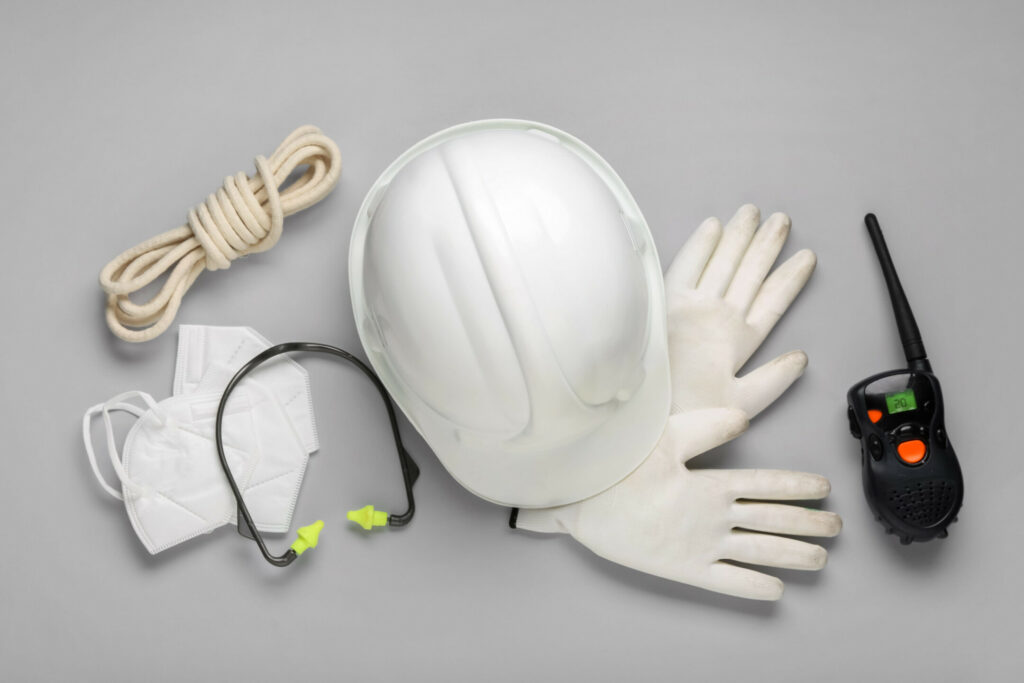
Industrial PPE selection becomes easier when the process stays simple. Map the hazard first, choose the right category next, then check fit, role, and replacement planning. That gives site teams a stronger way to buy gloves, eye protection, hearing protection, respirators, and safety boots without overcomplicating the order.
If you are reviewing site PPE needs, compare your current gear against the real tasks being done and then match those needs to Tooltech’s PPE, welding, abrasives, and electrical-related categories.


