When you need a Mining Equipment Supplier Johannesburg teams can rely on for African project work, the location of that supplier matters as much as the products they carry. Tooltech’s headquarters on Turffontein Road in Stafford positions the business close to Johannesburg’s industrial movement, while its role as an Industrial Sourcing Hub Africa supports mining, engineering, construction, oil and gas, infrastructure, landscaping, and forestry clients across South Africa and wider African regions.
Tooltech operates from 87 Turffontein Road in Stafford, Johannesburg, Gauteng. For industrial buyers, that address is more than a location. It is the working base behind the company’s sourcing, procurement, packaging, crating, and logistics support for clients across South Africa, Sub-Saharan Africa, North Africa, and Latin America.
Tooltech’s role is to act as a support mechanism for bigger industrial operations. The company understands its place within the mining, procurement facilitator, contractor, and engineering sectors, where the right supply partner can help keep projects moving.
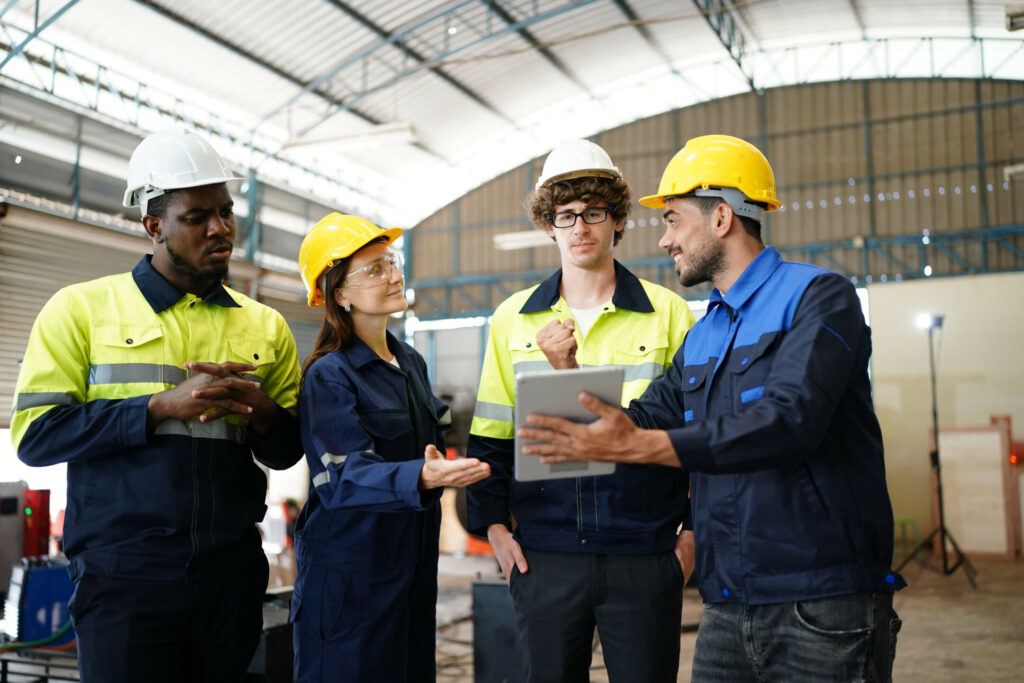
Tooltech provides supply chain solutions tailored to industry needs. Its sourcing and consolidation service is designed to reduce the number of suppliers you deal with, while still giving you access to value and service across industrial product categories.
This matters when you’re sourcing for a mine, workshop, fabrication team, construction site, or infrastructure project. A single requirement may involve tools, PPE, welding items, electrical components, lifting products, and abrasives. Consolidating those lines through one industrial supplies specialist helps create a more controlled procurement process.
Mining and oil and gas sectors often have product requirements that cannot be treated like general retail supply. Tooltech notes experience in supplying products that adhere to oil and gas industry standards, including Spark Resistant Tools, Flame Proof PPE, Power Tools with Dead Man Switches, and Intrinsically Safe equipment.
That technical awareness is important for African mining and engineering teams because the product itself is only one part of the requirement. You also need a supplier that understands why specifications matter and why incorrect goods can create setbacks on site.
Mining forms the largest portion of Tooltech’s client base as of 2021. The company supplies South African, African, and global mining companies across gold, copper, diamond, platinum, and coal sectors. This gives Tooltech practical exposure to the demands of mining procurement across different commodities and operating environments.
For SADC projects, Johannesburg can work as a strong procurement centre because goods can be sourced, checked, packed, and crated before being moved toward site. Tooltech’s export support is built around this type of process, where order control matters before dispatch.
When a mine depends on many suppliers at once, purchasing can become difficult to control. Orders may arrive at different times, specifications may need repeated checking, and packaging may not suit cross-border movement. Tooltech’s consolidation service helps reduce that complexity.
Instead of stretching your procurement team across multiple vendors, you can use one industrial supply specialist to coordinate sourcing across product categories. This can support better communication, cleaner order preparation, and stronger accountability through the procurement cycle.

Spark Resistant Tools are a strong example of why industrial sourcing requires specialist knowledge. In sectors such as oil and gas, and in certain industrial environments, product selection needs to match site standards and working conditions. Tooltech’s experience in this area shows the value of working with a supplier that understands technical requirements.
The same principle applies across mining, engineering, and infrastructure. Whether you need tooling, lifting equipment, PPE, welding products, abrasives, or electrical components, each product must fit the task, the site, and the wider project requirement.
Tooltech does not treat procurement as a simple catalogue exercise. Its role includes understanding the products needed for industrial tasks and helping clients source items that match the bill of materials or project specification. This is where its experience across multiple sectors becomes useful.
For your team, this means procurement can be handled with clearer attention to standards. The aim is not only to buy products, but to source the right products for the job, prepare them properly, and support their movement into the right operating environment.
Tooltech’s custom design and manufacture of impact sockets shows how the company supports non-standard mining requirements. An international gold mining company requested special impact sockets for site use. These were not standard items in terms of drive size and diameter.
Tooltech worked with its supplier, Brito Tools, to specially manufacture the impact sockets through an involved process of engineering, planning, and manufacturing. This case shows the company’s ability to move beyond off-the-shelf supply when a mining client needs a specific product made to suit a defined application.
Custom supply is important in mining because not every site requirement fits standard stock. Equipment, tools, and accessories may need to match particular operating conditions, dimensions, or project constraints. A supplier with sourcing and engineering coordination experience can help close that gap.
Tooltech’s custom impact socket case shows the kind of problem-solving that can support mining and engineering teams. It also reflects the value of long-standing supplier relationships, where the correct partner can be brought into the process to design, manufacture, and deliver a more suitable product.
Tooltech was started by Rashid Moosa in 1980 and has grown to include larger premises, specialised staff, and wider product ranges. With market leading brands and turnkey logistics capability, the company supports clients that need more than simple product access.
Tooltech’s language is grounded in service, standards, and support. The business does not position itself as separate from the industries it serves. It understands itself as a cog within the wider industrial machine, helping mining, engineering, procurement, and contractor clients continue their work.

Tooltech is a Mining Equipment Supplier Johannesburg teams use because it combines industrial product supply with sourcing, consolidation, inspection, packaging, and crating support. The company focuses on mining, project procurement, sourcing, and engineering sectors, with experience supplying South African, African, and global mining companies.
Stafford is important because Tooltech’s Turffontein Road headquarters acts as the working base for industrial sourcing and logistics preparation. From this Johannesburg location, Tooltech can support orders across tooling, PPE, lifting equipment, welding, abrasives, and electrical components.
Tooltech supports custom engineering requests through supplier coordination, planning, and sourcing experience. The special impact socket case is a clear example. An international gold mining company needed impact sockets that were not standard in drive size or diameter, so Tooltech worked with Brito Tools to specially manufacture them.
Mining teams can source a wide variety of industrial products through Tooltech, including tooling, PPE, lifting equipment, welding products, abrasives, and electrical components. The company also has experience with Spark Resistant Tools, Flame Proof PPE, Power Tools with Dead Man Switches, and Intrinsically Safe equipment for sectors with specific standards.
Tooltech helps with cross-border orders by inspecting high value export goods before dispatch, packing orders according to the bill of materials, and crating them securely for transportation. This gives mining and engineering clients stronger control before goods leave Johannesburg.
When you need a Mining Equipment Supplier Johannesburg teams can trust for African industrial work, Tooltech offers a practical base on Turffontein Road in Stafford, a wide product range, and supply chain support built around sourcing, consolidation, inspection, packaging, and crating.
For mining, engineering, construction, oil and gas, infrastructure, landscaping, forestry, and SADC project work, Tooltech gives you a Johannesburg-based support mechanism that understands industrial standards, custom requirements, and the pressure of keeping African operations productive.
Industrial PPE selection should start with the job, not the product list. If the hazard is not clear, the gear choice usually becomes too broad. That leads to gloves that wear out too fast, eye protection that does not suit the task, or respirators that are not matched to the actual exposure. On Tooltech, the PPE range covers items such as hand protection, safety glasses, hearing protection, respirators, footwear, fire resistant clothing, and welding gear, which makes a hazard-based checklist more useful than a generic buying list.
This matters because site risks do not all work the same way. Cut and abrasion hazards place different demands on gloves than sparks or heat. Dust and fumes need a different decision path from noise or impact. Task length matters too. Gear that works for a short task may not be the right fit for a full shift. A better PPE decision comes from matching the item to the work, the environment, and the time spent in that exposure.
The first step is to define the hazard properly. If the job involves sharp edges, rough materials, or repetitive handling, hand protection becomes a priority. If the work includes grinding, drilling, or flying particles, eye protection moves higher on the list. If dust, fumes, or airborne material are part of the task, respirators need attention. If the work area is loud for long periods, hearing protection matters more. If the task involves sparks or heat, welding gear and related protective clothing need to be considered together.
This first step is where many buying mistakes begin. If the order only says gloves or safety glasses, the team still has to guess what the item is meant to handle. That can lead to overbuying, underbuying, or buying something that is only partly right.

Once the hazard is clear, the next step is to choose the right PPE category. Tooltech’s range makes this easier because PPE is grouped into practical categories such as hand protection, hearing protection, respirators, safety glasses, footwear, and welding gear. That structure supports a more direct buying process.
Gloves should be chosen around the handling risk. Eye protection should match the type of impact or debris involved. Hearing protection should reflect both noise level and exposure time. Respirators should be chosen for the actual airborne risk, not just because dust is mentioned once in the task description. Safety boots should match the site conditions and how much time the worker will spend on foot.
A PPE compliance checklist should therefore ask a simple question at this stage: does the chosen category actually match the task hazard, or is it just the nearest product family?
Fit matters more than many teams expect. Gloves that are too loose can reduce control. Safety boots that fit poorly can add strain across a full shift. Eye protection that sits badly may be removed too often. Respirators that do not fit properly are harder to rely on in real conditions.
This is why sizing should be built into the buying process. A mixed crew needs the right size spread, not one standard size with the hope that it will work well enough. A good PPE checklist should include size range, expected wear time, and whether the user needs to move between different task types during the day.
Fit also affects compliance. If the gear is uncomfortable, workers are less likely to keep it on properly. That turns a technically correct order into a weak practical result on site.
Maintenance teams usually move between several tasks in one shift. That often means gloves, eye protection, hearing protection, and safety boots form the base kit, with respirators added when dust or airborne material becomes part of the job. A maintenance role rarely fits one narrow hazard profile, so flexibility matters.
Welding roles need a more focused kit. Welding gear, suitable gloves, eye and face protection, protective clothing, and safety boots should be treated as one set rather than separate buys. Tooltech’s welding-related categories support this because the risk is not only sparks. It is also heat, light exposure, and surrounding workshop conditions.
Electrical roles need careful PPE planning because the job often demands both protection and precision. Eye protection, footwear, gloves, and task-specific gear should be matched to the actual electrical work instead of being added as general site PPE. Electrical-related work should be treated as its own line in the selection process.
Workshop roles often combine grinding, handling, cutting, noise, and dust. That usually makes gloves, safety glasses, hearing protection, respirators where needed, and safety boots part of the core kit. If abrasives are involved, eye and respiratory protection deserve even more attention.
Industrial PPE selection does not end when the order is delivered. Gloves wear out. Eye protection gets scratched. Hearing protection becomes less useful if it is damaged or worn badly. Respirators need cleaner storage and better handling than many sites give them. Safety boots also need replacement planning if they are used hard every day.
Storage matters because PPE often fails sooner when it is crushed into toolboxes, left in dirty vehicles, or stored loosely with sharp tools. A PPE compliance checklist should include where spare items are kept, how worn items are replaced, and who checks condition before the next shift.
Replacement timing should also follow real use. Some items wear down slowly. Others should be replaced as soon as damage shows. A site that only tracks issue quantity and not actual condition usually ends up with weak control over PPE quality.
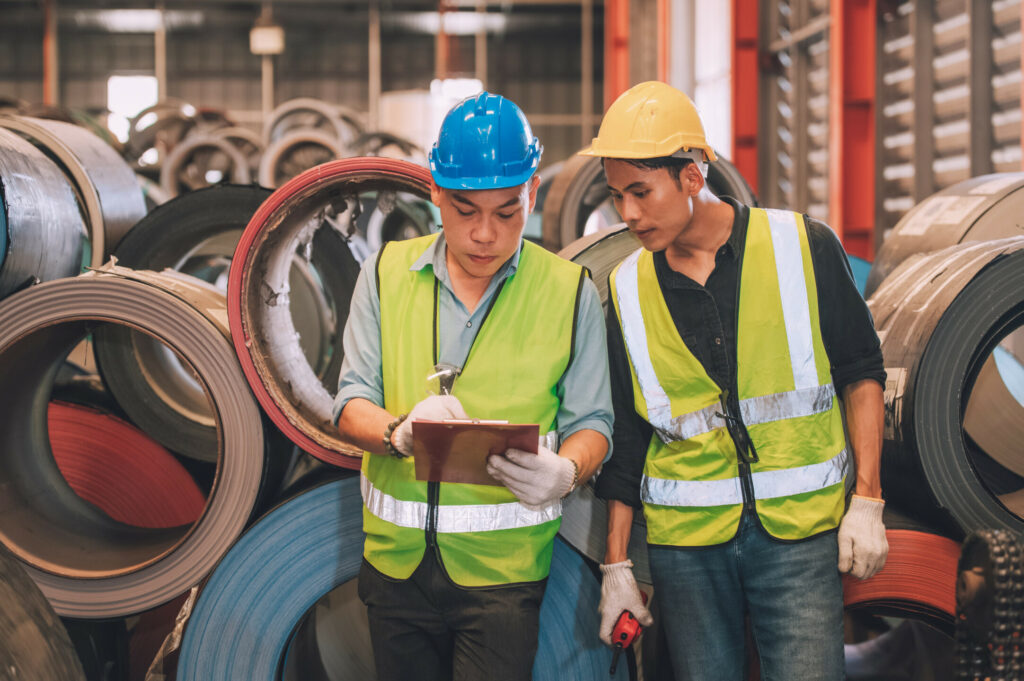
One common mistake is buying by broad name only. Gloves is not a full specification. Neither is eye protection or respirator. Another mistake is trying to issue one universal kit to every role. That may look simple, but it often leads to poor matches between the gear and the work.
A third mistake is ignoring fit. If the right size spread is not available, workers adapt around the problem instead of solving it. Another mistake is treating PPE as separate from the task categories that create the hazard. Tooltech’s site places PPE alongside welding, abrasives, and electrical-related categories, which is a good reminder that the job should shape the gear choice.
The last major mistake is forgetting storage and replacement planning. PPE can look fine on the shelf and still be the wrong choice once daily use starts.
Start with the hazard. Then choose the PPE category that matches that exposure. Check fit and sizing. Confirm how long the item will be worn. Decide whether the gear belongs in a general kit or a role-specific kit. Then plan storage, replacement, and related category needs such as welding, abrasives, or electrical work. That keeps the decision simple and more useful on site.

The best place to start is with the actual hazard. Industrial PPE selection works better when the team defines the real exposure before looking at products. That may be cut risk, impact, noise, dust, fumes, or sparks. Once the hazard is clear, it becomes much easier to choose the right category, fit, and quantity. Starting with the product list usually makes the buying process less accurate.
A PPE compliance checklist helps by turning PPE buying into a repeatable process. Instead of ordering by habit, the team checks hazard type, task duration, fit, replacement planning, and storage before the order is placed. That reduces the chance of buying gear that is available in stock but poorly matched to the real work. It also helps site teams stay more consistent across different roles and tasks.
Only when the task demands that full combination. A grinding-heavy job may need gloves, eye protection, and respirators together. Another task may only need one or two of those items. The right approach is to build the kit around the actual exposure instead of bundling everything into one standard issue. That usually produces a better fit between the gear and the work being done.
Role-based PPE matters because maintenance, welding, electrical, and workshop work do not place the same demands on workers. A universal kit may look tidy on paper, but it often creates poor matches in practice. When the gear is linked to the role, it is easier to choose the right gloves, eye protection, hearing protection, respirators, and safety boots for the actual tasks the team handles each day.
The most common mistakes are buying by broad product name, ignoring fit, trying to use one kit for every role, and failing to plan for replacement and storage. Another common issue is treating PPE as separate from the work categories that create the hazard. A better process links the gear directly to the task, the exposure, and the way the item will actually be used on site.
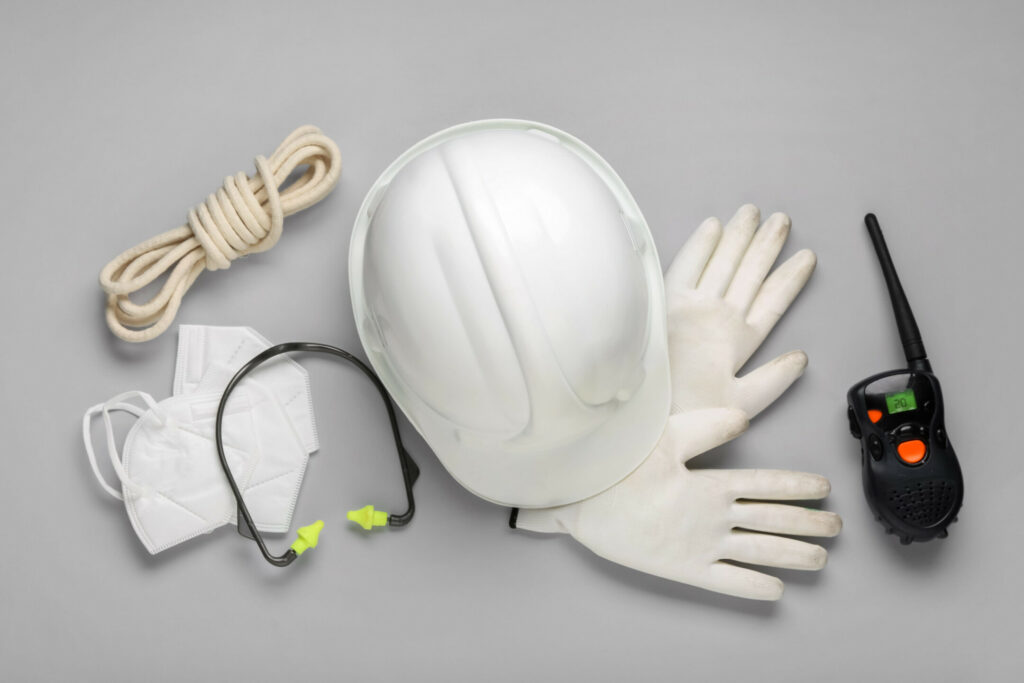
Industrial PPE selection becomes easier when the process stays simple. Map the hazard first, choose the right category next, then check fit, role, and replacement planning. That gives site teams a stronger way to buy gloves, eye protection, hearing protection, respirators, and safety boots without overcomplicating the order.
If you are reviewing site PPE needs, compare your current gear against the real tasks being done and then match those needs to Tooltech’s PPE, welding, abrasives, and electrical-related categories.
A mining procurement checklist is most useful when it reflects how African mine sites actually run, especially when teams are supporting remote access roads, tight shutdown windows, and urgent breakdown calls. Tooltech works with mining and project procurement across Africa, and its approach combines sourcing and consolidation, cargo inspection, and packaging and crating for local or cross-border transportation so sites can keep supply lines controlled when timing matters.
Before you standardise anything, you need a clear view of your site reality. If your operation is far from major hubs, procurement decisions have a longer tail. A tool that fails in a workshop isn’t just a replacement order. It can be a delayed repair, a missed shift, and a backlog that grows faster than you can clear it. That’s why the first step is to map what downtime looks like for your maintenance teams and what procurement can do to reduce it.
For Africa mining projects, site reality usually includes multiple stakeholders buying similar items through different suppliers, inconsistent tool models across teams, and spares that exist on paper but aren’t actually available when you need them. When you acknowledge that upfront, your checklist shifts from “find and buy” to “control and repeat”. You start asking which tools and consumables are truly standard across the site, what can be substituted safely, and what has to be fixed to one make or model to avoid confusion and failure risk.
Tooltech’s Industries focus notes mining as the largest portion of its client base, with supply into sectors including gold, copper, diamond, platinum, and coal. That kind of exposure matters because the checklist has to work across different mine types, not just a single workshop setup.
Tool standardisation is where most downtime wins come from, because it reduces variation. If each crew uses different grinders, drills, or accessories, you end up stocking too many spares, training becomes inconsistent, and repairs get complicated. Standardisation doesn’t mean picking a brand because it’s popular. It means choosing a defined set of tools and accessories that match the work you do, then enforcing that choice across the site.
Tooltech’s Brands section includes names like Makita, DEWALT, and STIHL, and its content also speaks to sourcing genuine tools and manufacturer warranties through authorised channels.
From a checklist point of view, that gives you a practical standardisation rule: define approved brands and models, then make it easy for your teams to order those same items every time. When you reduce the number of variations in circulation, you also simplify inspection, packing, and site receiving because your procurement team knows what “correct” looks like.
Standardising tools only works if your supply lines can support it. That’s where choosing a mining consumables supplier becomes part of your checklist, not a separate decision. You’re not only buying the primary tool, you’re buying the accessories, wear parts, and replacements that keep it running. If the supplier can’t source the matching consumables and spares, your “standard” will break under pressure and your teams will revert to ad hoc purchases.
Tooltech positions its model around consolidated purchasing to reduce the number of suppliers you deal with. For you, that can translate into fewer purchase orders, clearer responsibility, and less time spent chasing multiple vendors when a shutdown is approaching.
A critical spares list is not the same as your usual consumables order. It’s a shortlist of items that can stop work when they fail or run out, and that are difficult to replace quickly. Your checklist should force a clear decision on what you hold on site versus what you can source fast through a controlled process.
Start by separating three categories: items that are used constantly and should always be on hand, items that fail occasionally but can shut down key tasks, and items that are expensive or rare but still need a defined plan. The aim is to avoid tying up capital in unnecessary stock while still preventing stoppages caused by small parts that should have been planned.
Tooltech’s product categories include areas that often end up on critical spares lists, such as PPE, pneumatic tools, lifting equipment, welding, electrical components and cabling, compressors, abrasives, and motors. If you’re managing Africa mining projects, your list should also reflect the reality of delivery cycles across borders. You don’t want a critical part to be “available” if it can’t reach your site within the time you actually need it.
This is another place where your mining consumables supplier choice matters. If you standardise around specific tools or systems, you also need a supplier that can support the matching spares and accessories without pushing you into substitutions that create safety or performance risks.
Compressed air systems often sit in the background until they don’t. When air supply quality drops, accessories fail, tools underperform, and maintenance teams spend time troubleshooting symptoms instead of fixing root causes. Your checklist should treat compressed air as an integrated system, not a single purchase.
Tooltech’s tooling categories include compressors, with options such as single-stage and two-stage reciprocating compressors, rotary screw compressors, and both oil-free and oil-flooded equipment. Tooltech also references supplying pneumatic tools and air compressor systems in markets such as the DRC, alongside material handling equipment and related solutions. The practical takeaway is that your procurement checklist should match the compressor setup to the work on site and keep air tool compatibility consistent.
Compressed air readiness includes three procurement checks you don’t want to skip. First, confirm what air quality your tools require and what filtration or drying setup supports that. Second, standardise fittings, hoses, and accessories so you’re not dealing with mismatched connections across crews. Third, define what spares must be held on site to keep the air system stable, because air downtime can ripple through multiple work areas.
When you treat the air system as a controlled package, you reduce emergency buying and avoid a situation where a simple accessory becomes a production issue.
Lifting equipment and heavy-duty tooling can create major risk when the wrong item is supplied, maintained poorly, or serviced inconsistently. Your checklist should cover two things at once: compliance expectations on site and serviceability over the life of the equipment.
Tooltech’s product categories include lifting equipment, and its broader focus across mining and engineering supports the idea that lifting and material handling is part of the same procurement picture as tools and spares. For a mining site, the control angle is simple. You want defined specifications, consistent inspection standards, and a clear plan for maintenance or replacement cycles, especially for equipment that supports shutdown work, plant maintenance, or underground operations.
Serviceability is where procurement often slips. It’s easy to buy a lifting component that meets a spec today, but harder to support it when you need parts, certification paperwork, or service support later. Your checklist should require that any lifting and tooling purchase includes a plan for how it will be maintained, what the service intervals are expected to look like, and how spares or replacements will be sourced through your approved supply line.

The moment goods leave a supplier, the cost of fixing mistakes rises quickly. That’s why inspection and packing belong inside your procurement checklist, not at the end of a rushed shipment process. Tooltech’s service model includes cargo inspections of high value export orders prior to packing and dispatch to ensure goods meet specification, and it also describes packing according to your bill of materials and crating securely for local or cross-border transportation. For Africa mining projects, those steps help you reduce incorrect deliveries, damaged goods, and receiving headaches on site.
Shipment timing also links back to lead times. Tooltech’s client feedback highlights staying mindful of lead times for critical items so export shipment schedules can be met without unnecessary costs. You don’t need a perfect forecast, but you do need a disciplined timeline that includes sourcing, inspection, packing, and dispatch readiness, especially when goods must cross borders.
To make your process repeatable, build a quick RFQ template into your checklist so every request includes the details suppliers need to quote accurately. An RFQ should always state the site and delivery location, whether the order is local or cross-border, the required date aligned to your shutdown or maintenance plan, the exact make and model where standardisation applies, acceptable equivalents if any, the bill of materials structure you want packing to follow, and what documentation is required for your internal receiving process and any export needs. If you include those fields every time, you reduce back-and-forth and avoid delays caused by missing information.
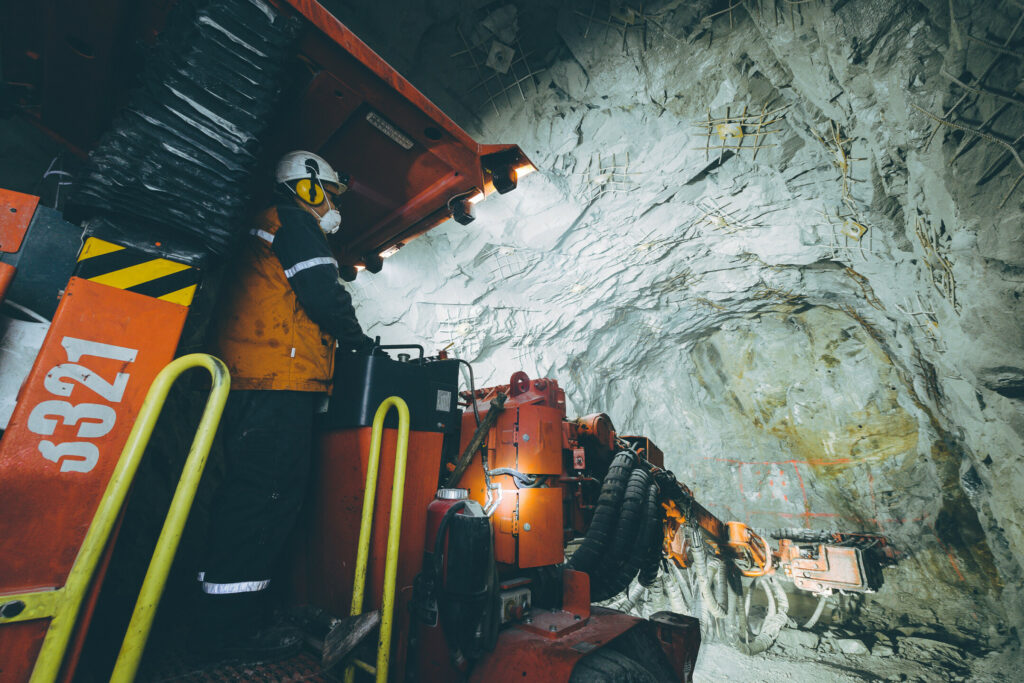
You start by writing down what “remote” means in your context: the access constraints, the typical delivery cycle, and the kind of downtime events that hurt you most. Then you build procurement controls around that reality, focusing on standardised tool models, defined spares, and predictable delivery planning.
Tooltech’s mining focus and its ability to support projects across Africa reinforce the idea that a checklist should be built for cross-border and long-lead conditions, not only for local deliveries near major hubs.
The fastest gains usually come from standardising the tools and accessories your teams use every day, because variations create confusion, inconsistent performance, and larger spares requirements. If you lock in a small set of approved brands and models, you can simplify training and reduce the number of replacement parts you need to hold.
Tooltech’s Brands range, including Makita, DEWALT, and Stihl, supports the practical approach of choosing defined tool families, then controlling supply through one process instead of scattered purchases.
A critical spares list should include items that can stop work when they fail or run out, especially if they’re hard to replace quickly. The decision comes down to impact and availability. If a failure halts a key maintenance task or creates a safety risk, it deserves a defined plan.
Tooltech’s categories across PPE, pneumatic tools, lifting equipment, compressors, and electrical components show how broad spares planning can be, but your list should stay disciplined and tied to the equipment and systems you actually rely on.
Compressed air readiness is about the full system, not only the compressor. You need compatibility between compressors, air tools, and accessories, and you need clear rules around fittings, hoses, and spares so crews aren’t improvising under pressure.
Tooltech’s compressor categories cover multiple compressor types, and its supply coverage for pneumatic tools and air compressor systems supports a checklist approach that defines requirements upfront. When you standardise around one setup, inspection, spares planning, and maintenance become more predictable.
Inspection and packaging reduce issues because they catch problems before goods are dispatched and make receiving easier when deliveries arrive. Tooltech describes cargo inspections for high-value export orders before packing and dispatch to confirm goods meet specifications. It also describes packing according to the bill of materials and crating securely for local or cross-border transportation.
For a mining site, that means fewer wrong items, clearer receiving checks, and less time wasted sorting through shipments that weren’t packed in a way that matches how your teams issue equipment.
If you want to turn this into a site-ready process, review Tooltech’s Industries section and the Mining focus to align your checklist with what your teams actually buy and use. Then use the Brands area, including Makita, DEWALT, and STIHL, to support tool standardisation where those ranges fit your work.
For cross-border planning, align your RFQ template with inspection, packing, and lead time discipline, and use Tooltech’s Contact or Get a Quote paths to set up a repeatable supply workflow that fits African mining projects and reduces last-minute procurement pressure.
If you work with tools — whether on-site, in a workshop, or at home — maintenance is one of the easiest ways to protect your investment. For both hand tools and power tools, proper care keeps equipment in safe working condition, reduces replacement costs, and ensures better performance over time.
Tooltech, South Africa’s trusted tools and equipment supplier, works with everyone from mining professionals to DIY contractors. No matter your skill level, the principle stays the same: clean, store and inspect your tools regularly. A few minutes of care can prevent early wear, rust, and even injury.
This beginner-friendly guide walks you through the key steps for keeping your tools in top shape — without needing advanced technical knowledge.

You don’t need a complicated maintenance plan to keep tools working. Simple, consistent habits are often enough to extend the lifespan of your equipment.
For hand tools, wipe them down at the end of each day, especially if you’ve been working in dust, mud, or oily environments. A dry rag removes most surface grime, while a bit of light oil on moving parts (like pliers or adjustable spanners) keeps them from seizing.
Power tools benefit from quick inspections after use. Check for loose screws, damaged cords, or blocked vents. Compressed air can be used to blow out dust from drill motors or angle grinders — just make sure the tool is unplugged or powered off first.
End-of-week habits might include sharpening cutting edges, refilling lubricant, or tightening any visible fasteners. These checks take less than 10 minutes but prevent long-term breakdowns.
Internal links: Explore Tooltech’s [Hand Tools category] and [Power Tools category] to find products that respond well to routine care.
Rust is one of the most common causes of tool damage — especially in humid or coastal areas across South Africa. Moisture in the air or residue from handling tools with bare hands can accelerate corrosion, particularly on carbon steel surfaces.
Here are a few basics for rust prevention:
For moving tools like wrenches, pipe cutters or pliers, a small drop of lubricant in the joints keeps them smooth and prevents internal rust. Use non-sticky oils to avoid attracting dust.
If you already see surface rust, remove it gently with a wire brush or rust eraser. Avoid using harsh acid-based removers unless absolutely necessary, as they can degrade tool surfaces over time.
Blades, drill bits, saw edges and grinding discs wear down faster than most tools. Dull tools not only perform poorly — they can be dangerous, causing slips or requiring more force to operate.
Here are some general tips for extending blade and bit life:
Internal link: Visit Tooltech’s [Consumables page] to restock drill bits, saw blades, or grinding wheels when needed.
Cordless tools are a game changer on South African worksites — but their batteries need special care to stay effective. Overheating, deep discharges, or incorrect storage can shorten battery lifespan.
Tooltech recommends the following best practices for power tool battery care:
Internal link: Browse Tooltech’s [Power Tools category] to find compatible batteries and accessories.
Tool maintenance doesn’t end with cleaning — how and where you store your tools makes a big difference. A well-organised tool area prevents unnecessary damage and saves time during busy projects.
Here’s how to store tools safely:
Humidity and temperature control is especially important for electrical tools and measuring devices. Try to avoid storing sensitive equipment in non-insulated areas that experience condensation or extreme heat.
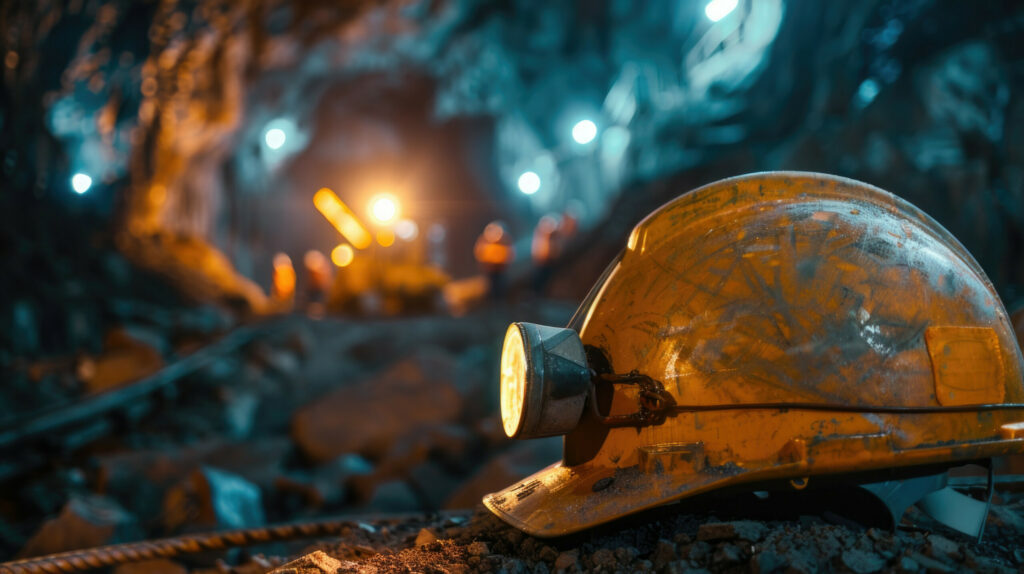
Even the best care can’t stop wear and tear forever. Knowing when to replace a tool is just as important as knowing how to clean it.
Here are common signs a tool needs replacing:
It’s tempting to keep using a damaged tool “just for one more job” — but this often leads to accidents or damages other parts of your project. Tooltech recommends evaluating frequently used tools at least once a quarter and retiring any items that no longer feel safe or efficient.
If you’re unsure about a particular model or brand, the Tooltech team can help with brand-compatible replacements and long-life alternatives.
Ideally, after every use — especially if the tools were exposed to moisture, dust, or chemicals. At a minimum, perform weekly wipe-downs and visual checks.
A light machine oil or silicone-based lubricant is ideal for most metal tools. Avoid heavy grease unless the tool has a gear mechanism that requires it.
Yes, WD-40 can work as a temporary rust barrier, but it evaporates over time. For long-term protection, apply a light coat of machine oil or use dedicated anti-corrosion sprays.
Basic sharpening can be done with a file, whetstone, or handheld sharpener. Always follow the blade’s original angle and avoid grinding away too much material.
Use bit cases with foam inserts or labelled holders. Keeping bits organised and protected prevents dulling and makes it easier to find the right size quickly.
Yes — especially if storing for more than a few days. It prevents battery drain and reduces the risk of corrosion or accidental discharge.
With proper care, lithium-ion batteries typically last 2–3 years or 300–500 charge cycles. If you notice shorter runtimes or overheating, it may be time to replace.
Taking care of your tools doesn’t need to be technical. With a few good habits, you can extend tool life, avoid safety issues, and keep your gear working when you need it most.
Tooltech supports professionals and DIY users alike with advice, compatible consumables, and reliable brands built for South African conditions.
Tell us what tools you use most and we’ll recommend the right consumables and care basics. Whether it’s a trusted hand tool that needs a new blade or a cordless drill that’s losing power, we’ll help you get more life out of your kit.
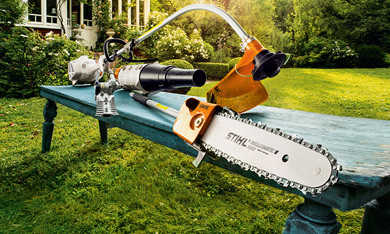
Tooltech, a distinguished industrial supplies specialist, is revolutionizing the industrial sector with its expansive range of services and products. With its inception in 1980, Tooltech has emerged as a symbol of supreme quality and steadfast reliability, concentrating its efforts on the mining, project procurement, sourcing, and engineering sectors. The company, strategically located at 87 Turffontein Rd, Stafford, Johannesburg, 2001, is accessible at 011 683 1761 or through their website Tooltech.
Tooltech’s journey from its establishment has been marked by continuous growth and expansion, enabling it to cater to a wider audience and offer an enhanced range of products and services. The company's commitment to delivering excellence is evident in its meticulous selection of quality brands, ensuring that clients have access to the best products in the market. The brands associated with Tooltech are synonymous with quality, innovation, and durability, reinforcing the company’s reputation as a leading industrial supplies specialist.
The company is dedicated to providing a comprehensive turnkey logistics solution, ensuring that clients are presented with market-leading brands and unparalleled services.
The company’s extensive services are designed to meet the varied needs of its clientele, offering specialized solutions in different industrial domains. Tooltech’s emphasis on quality and reliability is reflected in its choice of brands, each of which is a leader in its respective field. The company’s association with these brands allows it to deliver products and services that are not only of superior quality but also tailored to meet the specific requirements of each client.
Tooltech’s commitment to excellence is further highlighted by its continuous efforts to enhance its service offerings. The company’s specialized staff are trained to provide expert advice and support, ensuring that clients receive optimal solutions for their industrial needs. The company’s focus on client satisfaction is evident in its approach to service delivery, with each service being meticulously designed to address the unique challenges faced by different sectors in the industrial domain.
Tooltech takes pride in offering products from market-leading brands such as STIHL, MAKITA, FLUKE, DEWALT, BOSCH, STANLEY, EUROBOOR, KENNEDY, CHICAGO PNEUMATIC, AFROX, GEDORE, HIKOKI, INGERSOL RAND, MATWELD, PFERD, and SOMTA.
STIHL is renowned for producing the number one selling range of chainsaws and a comprehensive line of outdoor power tools, ensuring quality and reliability in every product.
MAKITA stands out with its industrial-quality power tools, designed to meet the highest standards of performance and durability.
FLUKE is dedicated to ensuring your safety and is driven by your success, standing as the world leader in professional electronic test tools.
DEWALT is synonymous with toughness, offering a range of durable and reliable tools that are GUARANTEED TOUGH.
BOSCH provides the professional blue power tools that are engineered for excellence, meeting the demands of every professional.
Stanley has built a legacy by producing the most well-known hand tools and storage products, ensuring quality and reliability in every piece.
Euroboor is a distinguished manufacturer of high-quality magnetic drilling machines and annular drills, offering precision and performance.
With over 16500 line items, Kennedy has the largest single offering of tools, catering to a diverse range of needs.
Chicago Pneumatic stands as an industrial manufacturer of air tools & hydraulic equipment, offering innovative solutions for various industrial needs.
Afrox is the leading supplier of welding consumables in Southern Africa, ensuring the availability of high-quality products.
Gedore South Africa is the leading supplier of hand tools to the South African industry, offering a wide range of products to meet every need.
HiKOKI offers the highest level of professional power tools and accessories, ensuring every professional finds the right tool for the job.
Ingersol Rand is a global leader in compressed air and gas systems and services, offering innovative solutions and products.
Matweld is known for producing high-quality and affordable welding machines and consumables, meeting the diverse needs of the industry.
PFERD is the leader in abrasives and solutions for material cutting, grinding, and polishing, offering a range of products to meet every need.
Somta specializes in the design and manufacture of drilling and cutting tools, offering precision and quality in every product.
Tooltech is strategically located at 87 Turffontein Rd, Stafford, Johannesburg, 2001. This location is pivotal as Johannesburg is a bustling metropolis, a hub of commerce, and a gateway to various industrial sectors in South Africa. The city’s diverse industrial base and vibrant economy make it an ideal location for Tooltech to offer its specialized services and products. The company’s presence in Johannesburg allows it to tap into the vast market and cater to the diverse needs of the industrial sector in the region.
Conclusion
Tooltech, with its extensive range of services and products from market-leading brands, continues to be a leading industrial supplies specialist in Johannesburg and across South Africa. The company’s commitment to quality, reliability, and innovation makes it a preferred choice for clients in the mining, project procurement, sourcing, and engineering sectors.
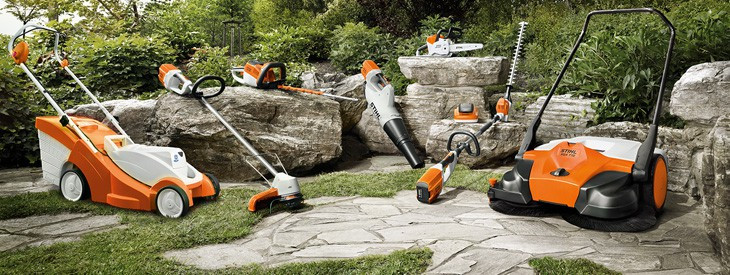
Tooltech, South Africa’s leading industrial supply specialist, proudly announces its latest offering of Stihl products for both individual contractors and DIY enthusiasts. With Stihl’s rich heritage of engineering excellence and Tooltech's reputation for logistics and supply chain expertise, customers can anticipate a match made in heaven.
“As a brand that is synonymous with quality and reliability, Stihl products are a vital addition to our inventory,” says Shakil Moosa of Tooltech. “Our partnership with Stihl South Africa solidifies our commitment to providing the best industrial equipment and solutions to our valued customers.”
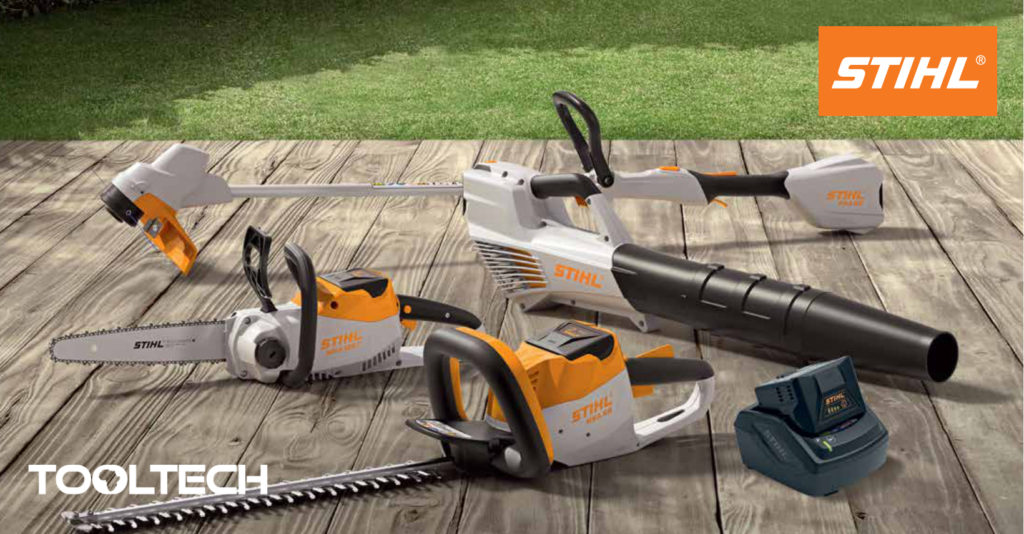
Founded in 1980 by Rashid Moosa, Tooltech has grown from strength to strength, specializing in the mining, project procurement, sourcing, and engineering sectors. The introduction of Stihl products, revered for their innovation since 1926, is poised to set Tooltech further apart in the industry.
Remember the days when chainsaws were cumbersome and needed two people to operate? Thanks to pioneers like Andreas Stihl, these challenges were eliminated with the introduction of the one-person-operated chainsaw in 1930. With a partnership between Tooltech and Stihl South Africa, the legacy of innovation continues.
Eager to get your hands on these Stihl products? Look no further than Tooltech's online store. Ideal for both individual contractors and the DIY-savvy, it offers a seamless shopping experience right from the comfort of your home or office. Moreover, with Tooltech’s ‘tool center’ approach, customers can also expect stellar after-sales support, including packaging, crating, cargo inspections, and more.
“Our goal is to be the preferred tool center for our customers, not just in Johannesburg but across South Africa. With Stihl products on our shelves, we are one step closer,” adds Moosa.
This exciting partnership extends beyond borders as Tooltech's reach spans Sub-Saharan Africa, North Africa, and Latin America. Both Tooltech and Stihl share a vision of uncompromised quality, innovation, and customer satisfaction.
Andreas Stihl, the visionary founder of our company, crafted his inaugural chainsaw back in 1926. He was driven by a simple yet profound mission: "To simplify tasks related to and within the natural environment." This core philosophy remains deeply ingrained in our ethos even today. We meticulously tailor our products to align with the specific needs of our clientele.
From its humble beginnings over nine decades ago, what started as a solo venture has now blossomed into a global powerhouse specializing in chainsaws and outdoor machinery. Our continuous innovation, deep-rooted expertise, and unwavering commitment to quality have paved the way for an ever-evolving range of products.
Since 1971, STIHL has held the esteemed title of the world's top-selling chainsaw brand. Our trailblazing innovations have consistently raised the industry standard. As we look to the future, our ambition is not just to grow, but to do so while staying true to our foundational values. After all, enduring success is rooted in steadfast principles. Reflecting on our journey, we take immense pride in celebrating over 90 years of STIHL's legacy.
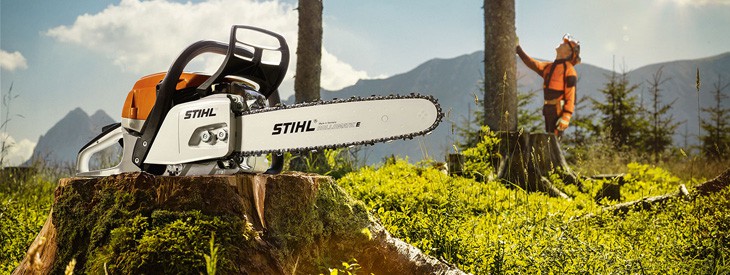
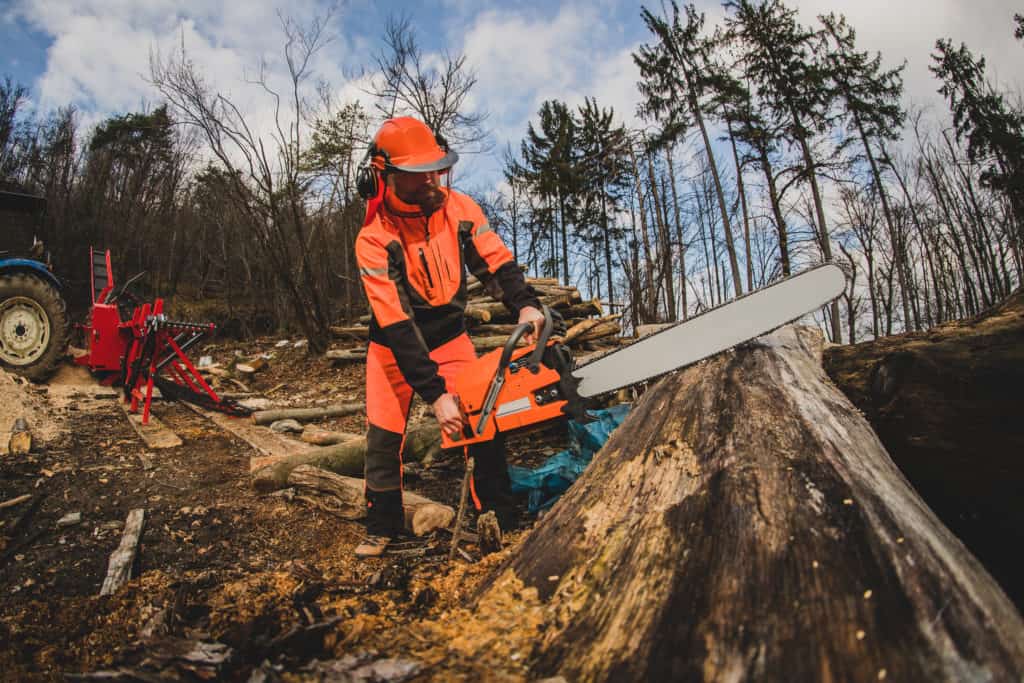
Tooltech, the prominent tool center in Johannesburg, South Africa, takes immense pride in being the premier distributor of the renowned brand "Stihl Products." With a rich legacy dating back to 1926, Stihl has grown from a humble one-man business to a global leader in chainsaw and outdoor power equipment manufacturing. Guided by the visionary founder Andreas Stihl's motto, "To ease peoples' work with and in nature," Stihl Products have consistently exceeded customer expectations, driven by innovation, in-house expertise, and a commitment to craftsmanship.
For more than 90 years, Stihl has been a trailblazer in the industry, setting new standards with its outstanding innovations. As the world's largest selling chainsaw brand since 1971, Stihl's dedication to quality and customer satisfaction is unparalleled. Tooltech shares this legacy and strives to match its customers' requirements by offering a comprehensive range of Stihl Products that meet the diverse needs of both professionals and homeowners.
At Tooltech, customers have access to an extensive selection of Stihl Products, including:
Empowering South African Customers:
As the leading distributor of Stihl Products in Johannesburg, Tooltech is committed to empowering its customers with the best tools and equipment for their projects. By offering a comprehensive range of Stihl Products, including chainsaws, mowers, and innovative cordless power systems, Tooltech ensures that both professional landscapers and DIY enthusiasts have access to cutting-edge equipment that enhances productivity and simplifies their outdoor tasks.
Quote from CEO/Founder:
"At Tooltech, our mission is to provide our customers with top-notch tools and equipment that embody Stihl's legacy of excellence. We take pride in being the leading distributor of Stihl Products in Johannesburg, offering a wide range of solutions that cater to diverse needs. With Stihl's focus on innovation and efficiency, we are confident that our customers will find the perfect tools to tackle any outdoor challenge." Shakil Moosa, CEO and Founder of Tooltech.
About Tooltech:
Founded with a vision to be at the forefront of providing quality tools and equipment, Tooltech has established itself as a trusted tool center in Johannesburg, South Africa. By collaborating with top brands like Stihl, Tooltech delivers exceptional products and unmatched customer service, ensuring customer satisfaction and success in every project.
For more information about Tooltech and its range of Stihl Products, please visit our official website at https://tooltech.africa/.
South Africa: A Land of Diversity, Progress, and Innovation
Nestled in the southernmost part of the African continent, South Africa boasts a rich tapestry of diversity, where numerous cultures, languages, and traditions interweave harmoniously. As the Rainbow Nation, it stands as a testament to the strength of unity amidst diversity, with different communities coexisting and contributing to a vibrant and dynamic society.
South Africa's history is shaped by a profound pursuit of freedom and equality, forging a nation that continues to progress and evolve. The spirit of perseverance and hope is deeply ingrained in its identity, inspiring a commitment to overcoming challenges and striving for a better future.
From the bustling cityscape of Johannesburg to the breathtaking landscapes of the Western Cape and the untamed wilderness of Kruger National Park, South Africa captivates with its natural beauty and rich biodiversity. It is a land of wonders, inviting adventurers, nature enthusiasts, and culture seekers to explore its unique offerings.
In recent years, South Africa has embraced technological advancements and innovative ideas, making it a hub of progress and development. The nation's commitment to sustainability and environmental responsibility sets an example for others to follow.
Amidst this backdrop, Tooltech, as a premier distributor of Stihl Products in Johannesburg, plays a pivotal role in empowering professionals and homeowners with top-of-the-line tools and equipment. By offering the latest Stihl innovations, Tooltech contributes to the nation's growth and development, supporting projects and endeavors across the country.
As Tooltech continues to uphold the legacy of excellence that defines both the Stihl brand and South Africa, it remains committed to providing its customers with the finest tools and solutions. With its dedication to quality and customer satisfaction, Tooltech stands as a beacon of success in the South African tool industry, propelling the nation towards a brighter and more prosperous future.
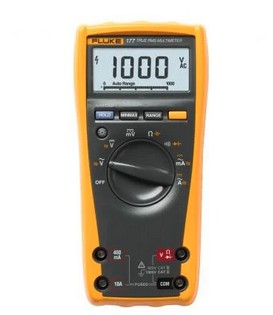
Fluke is a globally recognized brand specializing in the manufacturing and development of high-quality multimeters and measurement equipment for measuring insulation, battery power, air quality, calibration, earth ground, and more.
With a rich history spanning several decades, Fluke was created to improve on-the-job testing and measurement and has established itself as a trusted name in the industry, synonymous with precision, accuracy, and reliability.
Since its inception, Fluke has been committed to creating innovative solutions that meet the diverse needs of professionals working in various fields, including mining, oil and gas, and engineering sectors.
The company's multimeters and measurement tools are renowned for their exceptional performance and user-friendly design, making them indispensable for technicians, engineers, electricians, and scientists in South Africa and worldwide.
Tooltech, a leading industrial equipment supplier, has this advice for you when it comes to choosing Fluke products.
Fluke 177 is one of the best multimeters sold by Tooltech. This particular model is a highly regarded digital multimeter that offers professionals unmatched versatility and accuracy in their measurement tasks.
With its True RMS capabilities, the Fluke 177 ensures precise readings even in non-linear electrical systems. This multimeter boasts a robust design built to withstand the rigors of demanding work environments. It features a large, easy-to-read display and a backlit feature for enhanced visibility in low-light conditions.
The Fluke 177 offers a comprehensive range of measurement functions, including voltage, current, resistance, capacitance, frequency, and temperature, making it an indispensable tool for electricians, technicians, and engineers seeking efficient measurements.
Products in the grey market refer to tools, parts, or accessories that are sold through channels not authorized by the company. The advent of online shopping has made it convenient for individuals to purchase from various sources, such as online marketplaces, auction sites, or independent seller websites globally.
It's important to note that there are numerous grey sellers offering Fluke products at artificially reduced prices. Customers should exercise caution as these sellers may offer genuine Fluke products, but they lack the ability to provide post-sales support and product training. Additionally, purchasing from grey sellers poses the risk of not being covered by the original manufacturer's warranty.
Fluke's commitment to excellence is deeply ingrained in its product development process. The company combines cutting-edge technology, extensive research and development, and rigorous quality control measures to ensure that every device bearing the Fluke name meets the highest standards of precision and reliability.
Tooltech is proud to be a certified reseller in the Fluke dealer network, offering the full benefit of the original manufacturer's warranty. Our commitment to quality and reliable service has earned us numerous industry accolades and ongoing customer satisfaction.
In conclusion, Fluke's expertise in multimeters and measurement equipment has solidified its position as a leading brand in the industry. With a legacy of innovation, precision, and reliability, Fluke continues to empower professionals worldwide with state-of-the-art tools that enable them to tackle complex measurement challenges with confidence, and Tooltech makes these tools easily accessible.

If you’re looking for a trusted supplier of Fluke products, get in touch with Tooltech today.
For over 40 years, Tooltech has been providing unparalleled service to our mining customers. We know exactly what your organization needs to achieve lasting success, and will go, quite literally, to the ends of the Earth to ensure that you have it. Visit our website to learn more! https://tooltech.africa/
You need an Industrial Supply Specialist For Your Mining Business!

The past 2 years have seen a major disruption to the traditional supply chain, forcing companies to rely more heavily on procurement agencies like Tooltech to supply the things they need to operate at peak efficiency.
While the disruption caused by the Covid-19 pandemic hit its peak 2 years ago, the effect of the global shutdown is still being felt across all industries, governments, and economies.
The mining industry was not spared from this. With the rapid shift in demand, many mining companies were forced to absorb massive hits to their bottom line by the time the lockdown was finally lifted. Then, as demand increased with the reopening of global economies, mines found themselves in the unenviable position of struggling to meet demand with a smaller workforce and equipment that hadn’t been serviced or maintained, or even operated in a long time.
This forced mining organizations to scramble to find ways to quickly source new tools, equipment, and operational materials to meet the sudden and sharp uptick in demand.
To do this, many mines turned to industrial supply specialists to meet their tooling and engineering needs.
Tooltech is one such specialist. Here’s what Tooltech can do for your mining organization.
For over forty years, Tooltech has worked closely with many global mining organizations and has developed a deep understanding of the tools and equipment required to run a successful operation.
We will work with your procurement officer to properly understand your unique business requirements, and then ensure that those requirements are met.
We will combine our deep understanding of the mining industry with your business's specific requirements so that we know exactly what your budget is, and find you the best equipment according to your needs and specifications.
Over the decades, Tooltech has cultivated many valuable relationships with manufacturers and suppliers all over the world. This gives us the ability to leverage those relationships to your benefit.
Because of us, you can bypass the need to cultivate decades of positive collaboration to access premium service and product discounts. We’ve already done all that and can pass those savings on to you.
Our global network of suppliers also allows us to present you with options. You no longer have to deal with the closest or the cheapest supplier, but can pick the best supplier for your mining organization from a wide range of suppliers and manufacturers.
Once we’ve identified the best supplier and most suitable goods for your mine, we then conduct extensive quality checks before they are packaged, and once again before they are put on the ship, or train, ready for delivery.
Once they arrive at their destination, we once again conduct quality checks to ensure that nothing happened while in transit.
We can also deliver these materials across borders and oceans and will have your materials ready for you where you need them and when you need them.
Our ability to do this was no more apparent than in a recent project we conducted for a valued multinational copper mining company that was setting up a new mine in South America. This client needed highly specialized steel that could only be sourced from very specific factories located in China.
Our extensive network of contacts in China and South Korea was able to identify the required factories quickly, and in no time at all we were able to source, purchase and deliver the steel to the port, where we conducted extensive quality checks before shipping them off to their required location in South America, where we once again conducted extensive quality checks before signing off on final delivery to the worksite.
In short, we can get you what you need, from wherever you need it, and get it to you when you need it.
And we can work perfectly according to even the tightest of deadlines!
This is exactly what happened with another project we conducted when one of our clients decided to construct a new mine in Zambia.
We were tasked to provide the right tools, welding and lifting equipment, and scaffolding and safety products to our client. So far so good. The catch however was that we only had a week to find the materials and get them from the manufacturer to the mine.
We set to work, and because of our extensive connections and contacts, we were able to find the perfect equipment and get it to the mine on time.
We filled out the mining contract
We also stock brands like Stihl, Makita, Fluke & Dewalt (amongst others)
For over 40 years, Tooltech has been providing unparalleled service to our mining customers. We know exactly what your organization needs to achieve lasting success, and will go, quite literally, to the ends of the Earth to ensure that you have it. Visit our website to learn more! https://tooltech.africa/
Johannesburg, South Africa
International mining and South African industries are now using custom industrial items from Tooltech. The company's tailor-made products have gained popularity and recognition worldwide thanks to their exceptional quality and performance.
Johannesburg, South Africa – Tooltech is among the most reputed resellers of high-quality off-the-shelf products. For instance, the company’s mining products are considered the best in the business. However, as of late, the company’s custom-tailored products have become increasingly popular. Tooltech assists with designing and manufacturing custom products that meet the bespoke needs of a specific business or a situation they may find themselves in.
Some of the brands they carry are Stihl, Dewalt, Fluke, and Makita
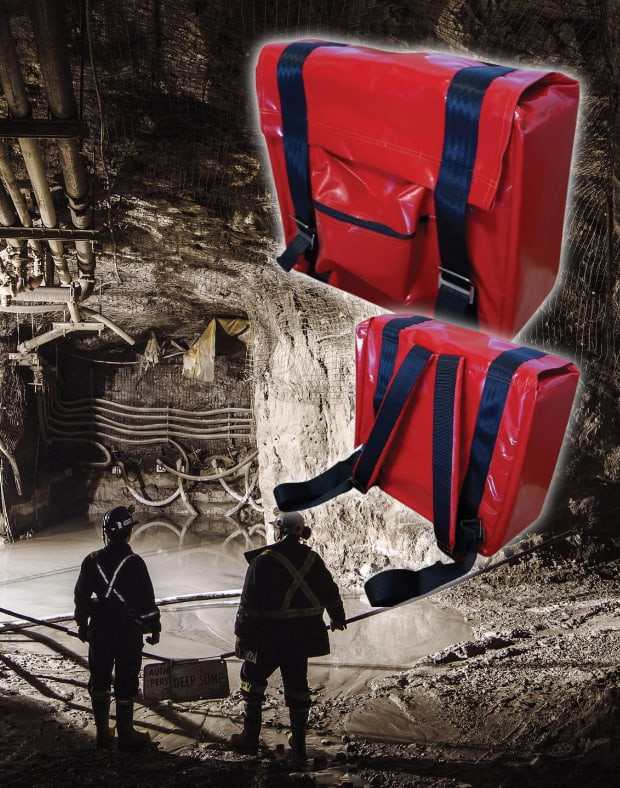
Not too long ago, a well-known international diamond mining company, a client of Tooltech, reached out to the company in 2021 with a unique request for underground mining bags. The mining company had been using bags of substandard quality, failing to safeguard their tools from underground moisture. Each underground miner relies on their bag to transport equipment, personal belongings, medical emergency equipment, and rescue gear.
Tooltech collaborated with the mining company and a prominent safety equipment manufacturer to develop and produce a specialized underground bag that would withstand the severe and humid conditions of underground mining. The collaboration resulted in the creation of a high-quality, durable, and effective bag that met the mining company's specific requirements.
Today, Tooltech’s bespoke tools are used in many parts of the world, with professionals in numerous industries relying on them to do their job.
Readers can learn more about Tooltech and their custom industrial equipment/tools by visiting the brand’s official website at: https://tooltech.africa/
“Over the years, Tooltech has continued to be a brand associated with quality and reliability. The tools we sell are trusted by professionals across over a dozen industries. However, if you can’t find a tool that fits your needs the best, you can be assured that we have the experience to source the right products and even make one for you if needed.” Said a representative for Tooltech.
About Tooltech
Tooltech is an industrial supplies company specializing in providing products and services to the mining, project procurement, sourcing, and engineering sectors. Founded over 40 years ago by Rashid Moosa, it has grown and diversified to a broader range of offerings, including customized products for various industries. The company has, over the years, expanded its reach to include various regions, such as the rest of South Africa, Sub-Saharan Africa, North Africa, and Latin America. This expansion has allowed Tooltech to serve a broader customer base and provide services more efficiently and effectively.

